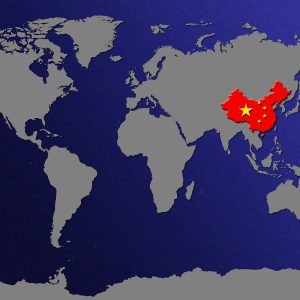
China’s most powerful modern leader is Xi Jinping, who assumed office as General Secretary of the Communist Party of China (CPC) in 2012 and later became the country’s president. Xi has consolidated power to an unprecedented degree, often being compared to Mao Zedong. His administration is characterized by a strong emphasis on nationalism, centralization of authority, and aggressive foreign policy.
Under Xi’s leadership, China has embarked on ambitious initiatives such as the Belt and Road Initiative, aiming to expand China’s economic influence globally through infrastructure investment in numerous countries. Domestically, he has pushed for economic reforms while simultaneously tightening political control, leading to significant crackdowns on dissent, increased censorship, and mass surveillance.
Xi’s vision includes the “Chinese Dream,” a framework for national rejuvenation and increased global standing. He has also prioritized military modernization, asserting China’s claims in the South China Sea and enhancing its role in international institutions.
In 2018, the abolition of presidential term limits effectively allows Xi to maintain power indefinitely, solidifying his status as arguably the most powerful Chinese leader since Mao. His tenure reflects a blend of pragmatism and authoritarianism, reshaping China’s trajectory and its place in the world.
For more details and the full reference, visit the source link below: