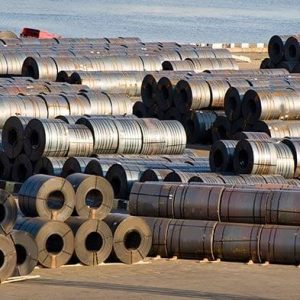
The escalating trade dispute between Europe and China over steel imports is intensifying, with significant implications for global markets. As Brussels seeks to address the surge in cheap Chinese steel flooding European markets, concerns about unfair competition and job losses in the EU are prompting stronger actions. The European Union has voiced its stance, arguing that the influx of subsidized steel undermines local industries and labor standards.
Amid these rising tensions, European leaders are urging Beijing to adhere to fair trade principles and reduce state subsidies that favor its steel production. The EU aims to level the playing field and protect its manufacturing sectors, especially as it transitions toward greener technologies. In response, China argues that its steel exports are crucial for supporting global infrastructure and development initiatives.
The 2026 deadline for resolving these disputes looms, placing additional pressure on both sides to negotiate terms that would stabilize trade relations. As conversations unfold, other regions may also weigh in, with potential repercussions for global supply chains. The outcome of this dispute could reshape not only the steel industry but also set precedents for future trade negotiations between powerful economies and influence the direction of international trade policies.
For more details and the full reference, visit the source link below: