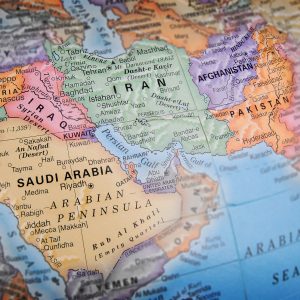
Iran’s military strategy is designed around an understanding that winning a conventional war is unlikely, particularly against a more technologically advanced adversary like the United States. Instead, Iran focuses on asymmetric warfare, leveraging unconventional tactics to exploit the vulnerabilities of its opponents. This approach includes the use of proxy forces, cyber warfare, and guerrilla tactics, which allow Iran to project power and influence beyond its borders without engaging in direct conventional confrontations.
Additionally, Iran’s geography plays a crucial role in its military strategy. Its mountainous terrain and proximity to vital maritime routes enable it to deploy forces in ways that disrupt enemy operations, particularly in the Persian Gulf. By fostering alliances with militant groups across the region, Iran can wage proxy wars that create instability and complicate the strategic calculations of its foes.
Moreover, Iran’s leadership often emphasizes resilience and deterrence rather than outright military victory. This strategy is rooted in a historical context of external threats and sanctions, guiding the Iranian military to prioritize survival and endurance over conventional success. Ultimately, Iran views its military capabilities not as tools for winning wars in the traditional sense, but as instruments for preserving the regime and maintaining influence in a hostile environment.
For more details and the full reference, visit the source link below:
Read the complete article here: https://www.stl.news/misreading-the-map-why-irans-military-strategy/