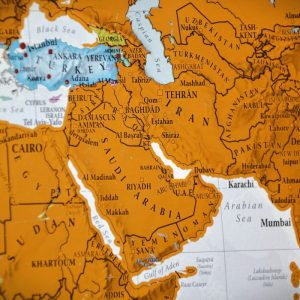
Afghanistan is a country marked by a rich tapestry of ethnic and religious diversity. While often dominated by Pashtun, Tajik, Hazara, and Uzbek ethnicities, the country has also been home to smaller communities, including Jews and Christians. Historically, Jews lived in Afghanistan for centuries, with vibrant communities in cities like Kabul and Herat. However, due to increasing persecution and instability, this community has dwindled significantly, and today, only a few elderly Jews remain.
Christianity in Afghanistan is another example of the nation’s diversity, yet it faces profound challenges. The Christian population primarily consists of converts from Islam, which has made them vulnerable to persecution and discrimination. Engaging in open practice of their faith can be perilous, and many Christians live in secrecy, relying on underground networks for worship and support.
Despite these challenges, the existence of Jews and Christians in Afghanistan illustrates the country’s complex historical narrative and highlights the resilience of minority groups. Their stories are crucial for understanding the broader spectrum of Afghanistan’s cultural identity, reflecting a history of coexistence and the ongoing struggles for tolerance and acceptance in a predominantly Muslim society.
For more details and the full reference, visit the source link below: