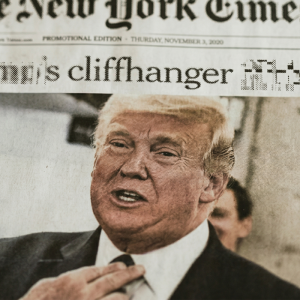
In early 2017, former President Donald Trump announced a controversial travel ban targeting several predominantly Muslim countries, which faced significant legal challenges and opposition. The expanded travel ban affected several nations, adding to the original list and altering immigration policies significantly.
The countries included in the ban were primarily from the Middle East and Africa, including Iran, Libya, Yemen, Syria, Somalia, North Korea, and certain government officials from Venezuela. The rationale behind the ban was to prevent terrorism and enhance national security. However, critics argued that the ban was discriminatory and fueled anti-Muslim sentiment.
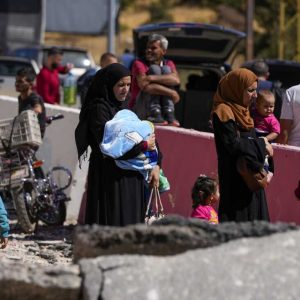
The impact on affected countries was profound. Families were separated, students faced barriers to education, and economic ties suffered. Citizens from these nations found it increasingly difficult to visit relatives, conduct business, or apply for asylum, leading to heightened anxiety and uncertainty.
International relations were also strained, as foreign governments protested the implications of the ban. Advocacy groups and human rights organizations mobilized to challenge the policy, emphasizing its humanitarian consequences. Over the years, various court rulings have shifted the ban’s implementation and scope, highlighting the ongoing debate over immigration policies and national security in the United States.
For more details and the full reference, visit the source link below: