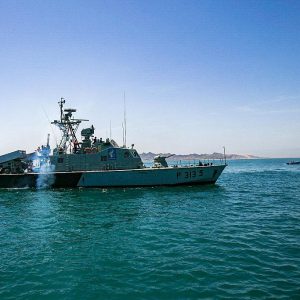
Iran is strategically increasing its influence in the Middle East, particularly targeting Gulf nations and Israel. This escalation is evident in Tehran’s diplomatic engagements and military maneuvers aimed at solidifying its position in the region. As Iran seeks to counterbalance the normalization of relations among Gulf states and Israel, it is leveraging both conventional and unconventional tactics.
The Iranian government has intensified support for proxy groups, such as Hezbollah in Lebanon and various militias in Iraq and Syria. By doing so, Iran aims to project power and create a network of alliances that can effectively challenge any perceived threats from its adversaries. Additionally, Iran’s nuclear ambitions remain a critical point of contention, drawing the attention of Gulf nations that fear a nuclearized Iran could shift the regional balance of power.
Furthermore, Iran has been actively involved in diplomatic talks with Gulf nations, seeking to ameliorate relations while simultaneously warning against any military cooperation with Israel. These efforts are designed to foster a sense of vulnerability among its neighbors, encouraging them to reconsider their alliances.
The volatile dynamics in the Middle East indicate that Iran’s focus on the Gulf and Israel will likely continue, shaping the geopolitical landscape for years to come.
For more details and the full reference, visit the source link below: