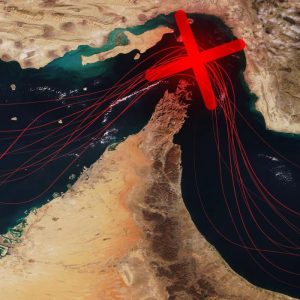
The Strait of Hormuz, a critical maritime chokepoint for global oil exports, is experiencing heightened military tensions that could have severe repercussions for the international oil market. This narrow passage connects the Persian Gulf to the Arabian Sea and is responsible for the transit of approximately 20% of the world’s oil supply. Recently, geopolitical strife in the region, fueled by escalating confrontations between Iran and Western nations, has intensified fears of disruptions.
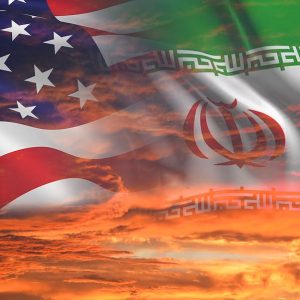
Iran’s revolutionary leadership has increased its naval presence and threatened to close the strait in response to tightening sanctions and military maneuvers by the U.S. and its allies. This posturing raises alarm for oil-importing nations, amplifying volatility in global oil prices. Should any conflict arise that disrupts the flow through this strategic waterway, the ramifications would be felt worldwide, not only impacting energy costs but also influencing inflation and economic stability across numerous sectors.
Countries are urged to reassess their energy strategies amid this crisis, prompting discussions on diversifying energy sources and enhancing regional security partnerships. The prospect of a sustained crisis in the Strait of Hormuz underscores the fragility of global oil supply chains and reinforces the necessity for diplomatic efforts to ease tensions and ensure the free flow of this vital resource.
For more details and the full reference, visit the source link below: